A remote monitoring device for inspecting concrete structures for faults has been developed by a research team at the University of Strathclyde.
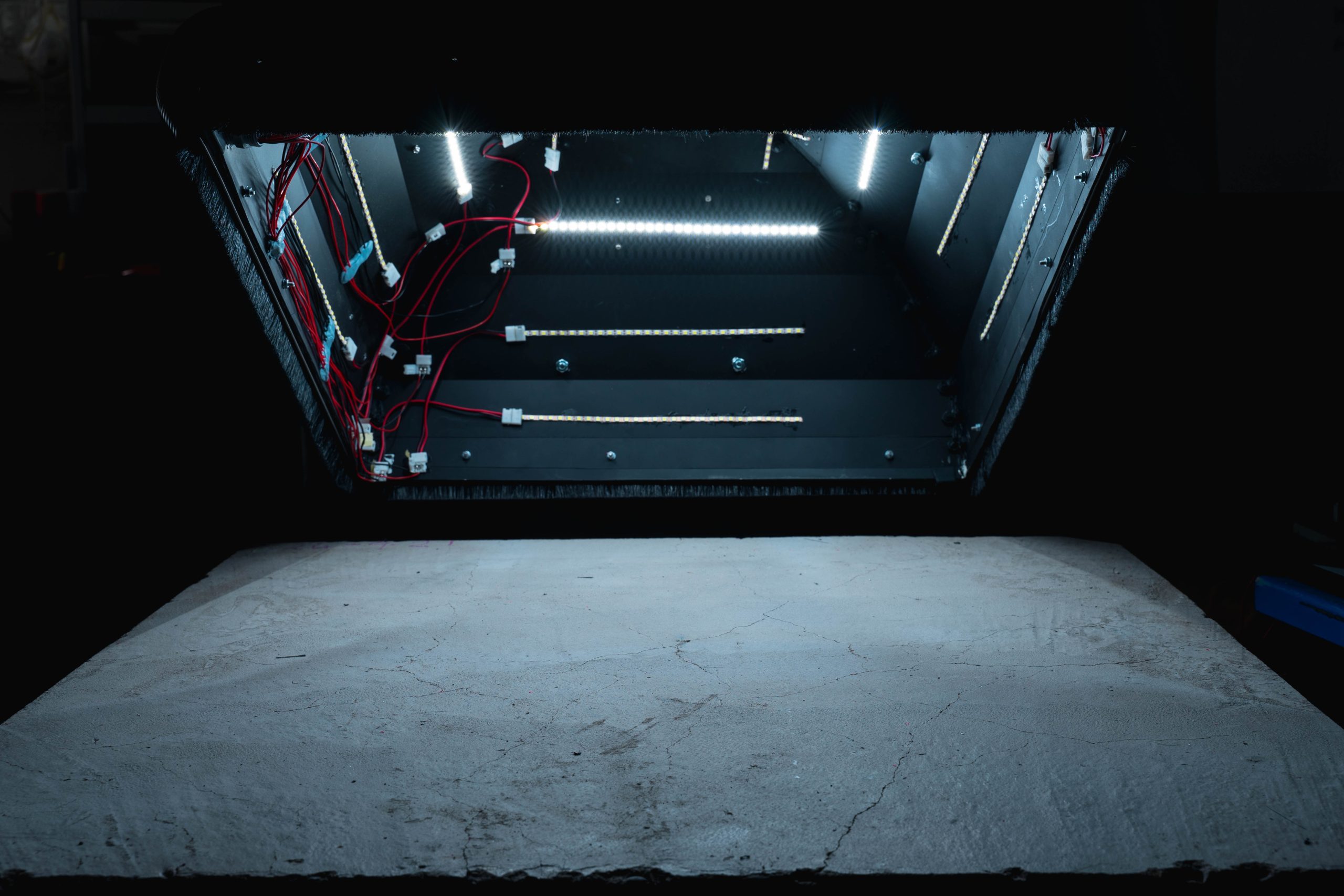
The Advanced Nuclear Research Centre at the university has created the Adaptive Lighting for the Inspection of Concrete Structures (ALICS) device which can be employed to detect and classify faults in civil concrete infrastructure, such as nuclear power plants and bridges.
It combines advanced image capture, scene lighting and colour with artificial intelligence techniques to detect if faults form in concrete.
The new device has attracted interest from Babcock’s Cavendish Nuclear, Altrad Babcock, Bruce Power, EDF Energy and InspectaHire, all of whom provided financial backing for the research.
Partnerships were also formed with two of Scotland’s innovation centres as part of the device’s development. The partnerships with Built Environment – Smarter Transformation (BE-ST) and Censis allowed the team to access both centres’ knowledge and networks while enabling the innovation centres to work together on their first joint funded project.
University of Strathclyde senior lecturer in civil and environmental engineering Marcus Perry, who led the research, said: “Partnerships between industry, Scottish innovation centres, and universities are different. They allow research to be designed, funded and delivered with continuous dialogue between all three parties.
“This sustained feedback means industry partners can steer our research direction more effectively. This ensures the academic delivery team deliver not only world-leading science, but high-impact engineering outputs and products with real world applications.”